Featured
Foreclosure Avoidance Resources for Nationwide Property Owners
Table of Contents
Legal Defenses for Homeowners in the current housing market
The home mortgage environment in 2026 presents a complex set of difficulties for locals who have actually fallen back on their regular monthly payments. Economic shifts have caused a renewed concentrate on consumer rights, especially for those dealing with the threat of losing their homes. Federal and state laws have evolved to guarantee that the foreclosure procedure is not an immediate or automated result of a few missed out on payments. Rather, the law mandates a series of procedural steps developed to provide customers every opportunity to discover an alternative.In Burlington Vermont across the country, the main line of defense for a property owner is the 120-day rule. Under federal policies kept by the Consumer Financial Security Bureau (CFPB), a home mortgage servicer normally can not make the first legal filing for foreclosure till a customer is more than 120 days overdue. This period is meant for the borrower to submit a loss mitigation application. If a complete application is received during this time, the servicer is restricted from beginning the foreclosure process up until the application is thoroughly evaluated and a choice is made.The 2026 regulatory environment likewise strictly forbids "dual tracking." This occurs when a bank continues to move on with a foreclosure sale while concurrently thinking about the house owner for a loan modification or a short sale. In many jurisdictions, courts have become significantly critical of lending institutions who fail to follow these stops briefly. House owners who find themselves in this position typically look for Debt Management to help them validate that their rights are being appreciated by their loan servicers.
The Role of HUD-Approved Counseling in 2026
Browsing the documentation needed for loss mitigation is frequently the most significant difficulty for those in the residential sector. For this reason, the federal government continues to money and support HUD-approved housing therapy companies. These companies, such as APFSC, act as a bridge in between the borrower and the lending institution. As a DOJ-approved 501(c)(3) not-for-profit, APFSC supplies these services nationwide, making sure that individuals in Burlington Vermont have access to professional assistance without the high expenses of personal legal firms.HUD-approved counselors assist house owners comprehend the specific kinds of relief offered in 2026. This may include a loan modification, where the lender changes the regards to the original mortgage to make payments more economical. Other options include forbearance, where payments are momentarily suspended or minimized, and payment plans that permit the homeowner to capture up on arrears over a set duration. Counselors likewise supply an unbiased take a look at whether a short sale or a deed-in-lieu of foreclosure is a better suited course to prevent a shortage judgment.Financial literacy education is a cornerstone of this procedure. Lots of people dealing with insolvency in 2026 take advantage of a deep dive into their family spending plan to see where changes can be made. Professional Debt Management Services offers a structured path for those who are likewise having a hard time with high-interest charge card financial obligation or other unsecured commitments that are draining the resources required for their mortgage. By consolidating these payments into a single lower quantity through a financial obligation management program (DMP), a homeowner might discover the monetary breathing space necessary to maintain their housing status.
Browsing Insolvency and Debt Relief in Burlington Vermont
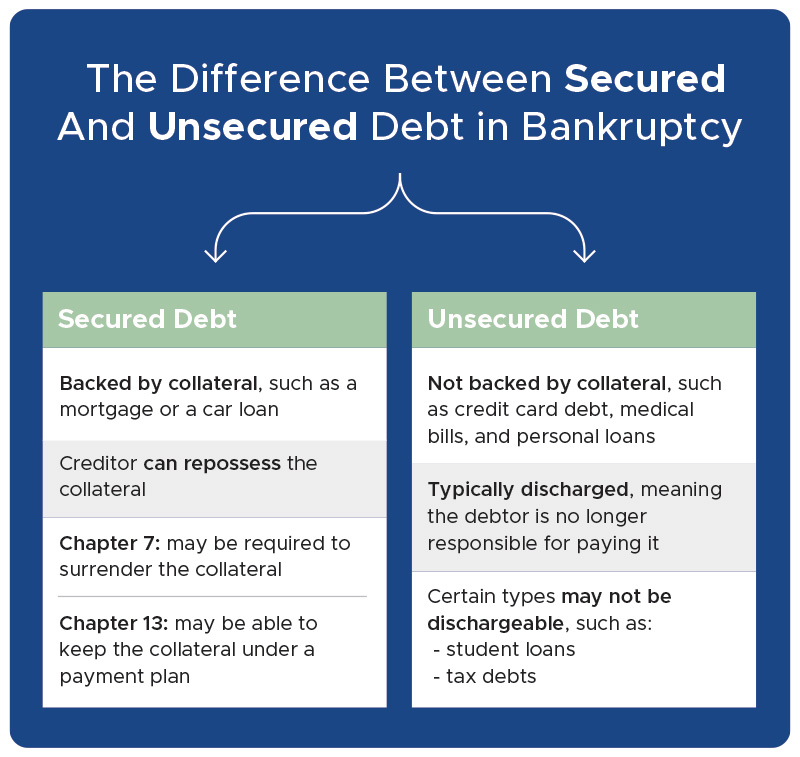
When a homeowner is faced with overwhelming financial obligation, the question of insolvency frequently leads to an option in between a debt management program and an official personal bankruptcy filing. Both courses have significant ramifications for a person's credit and long-term monetary health. In 2026, the pre-bankruptcy therapy requirements remain a strict part of the U.S. Insolvency Code. Any individual seeking to declare Chapter 7 or Chapter 13 must first complete a counseling session with an authorized firm to figure out if there are possible alternatives to liquidation.Chapter 13 insolvency is regularly used by those in various regions who want to keep their homes. It allows for a reorganization of financial obligation where the homeowner can pay back the missed home mortgage payments over a three-to-five-year duration. This is a legal procedure that stays on a credit report for up to seven years. In contrast, a debt management program negotiated by a not-for-profit like APFSC can typically achieve comparable results for unsecured debts without the severe impact of a bankruptcy discharge.Residents who are trying to find Debt Management in South Burlington frequently find that a combination of housing therapy and financial obligation management provides a more sustainable healing. These programs involve the agency negotiating straight with financial institutions to lower rate of interest and waive costs. This minimizes the overall month-to-month outflow of money, making it possible for the homeowner to satisfy their primary obligation: the home mortgage. It is a proactive method that addresses the origin of the monetary distress instead of just dealing with the symptom of a missed home payment.
Particular Protections Versus Unjust Maintenance Practices

In 2026, brand-new rules have been executed to safeguard property owners from "zombie foreclosures" and servicing errors. A zombie foreclosure happens when a lender begins the process, the house owner leaves, but the lending institution never ever actually finishes the sale. This leaves the former resident liable for property taxes, maintenance, and HOA charges on a home they no longer believe they own. Modern securities in the local area now require lenders to provide clearer notifications relating to the status of the title and the homeowner's continuous duties up until the deed is formally transferred.Servicers are also held to higher standards regarding "Followers in Interest." If a house owner passes away or a residential or commercial property is transferred through a divorce settlement in Burlington Vermont, the new owner has the legal right to receive info about the account and make an application for loss mitigation. This makes sure that a family member who acquires a home can remain in it if they can demonstrate the capability to make payments, even if their name was not on the original home mortgage note.Furthermore, the 2026 updates to the Fair Financial Obligation Collection Practices Act (FDCPA) and the Fair Credit Reporting Act (FCRA) supply extra layers of security. If a servicer offers unreliable info to credit bureaus throughout a foreclosure conflict, homeowners have the right to a speedy correction process. Nonprofit credit therapy agencies contribute here too, helping customers evaluate their credit reports for errors that could be preventing their ability to re-finance or secure a brand-new loan.
Educational Requirements and Post-Discharge Healing
For those who do go through an insolvency process, the law in 2026 requires a 2nd step: pre-discharge debtor education. This course is designed to provide the tools needed to manage financial resources after the legal proceedings are over. APFSC is licensed to offer both the preliminary pre-bankruptcy therapy and this final education step. The goal is to guarantee that the insolvency event is a one-time event which the person can reconstruct their credit and move toward future homeownership or financial stability.The focus of these curricula is on long-lasting spending plan management and the sensible usage of credit. In 2026, the rise of digital monetary tools has made it simpler to track spending, but it has actually likewise made it easier to accrue financial obligation through "buy now, pay later" services and other high-interest consumer products. Credit counselors work with people in their local surroundings to construct an emergency fund, which is the most reliable defense versus future foreclosure.Homeowners are likewise motivated to get involved in community-based financial literacy programs. APFSC frequently partners with local nonprofits and monetary institutions to supply these resources totally free. By understanding the rights provided under the 2026 real estate laws and using the services of a HUD-approved counselor, locals can navigate even the most tough monetary durations with a clear strategy.
The Significance of Early Action
The most consistent guidance from real estate professionals in 2026 is to act early. A home mortgage servicer is much more likely to offer a beneficial modification when the debtor reaches out before several payments have actually been missed. Once a foreclosure sale date is set, the choices become more limited and the legal costs increase. In Burlington Vermont, there are typically regional mediation programs that need the lender to meet the customer in person, however these usually must be requested within a particular timeframe after the preliminary notice of default is sent.By working with a company like APFSC, homeowners can ensure they are not going through the procedure alone. Whether it is through a financial obligation management program to clear up other monetary commitments or direct housing therapy to conserve a home, these 501(c)(3) companies provide the know-how required to challenge unjust practices and secure a steady future. The customer protections in place for 2026 are strong, however they need the house owner to be proactive and notified. Understanding the law and using the offered not-for-profit resources is the very best way to prevent a short-lived monetary setback from ending up being a permanent loss of home.

Table of Contents
Latest Posts

New Consumer Rights in the 2026 Credit Landscape

Browsing Personal Bankruptcy Exemptions for Residential Or Commercial Property in 2026
Finding Support Groups for Monetary Recovery in Your State
More
Latest Posts
New Consumer Rights in the 2026 Credit Landscape
Browsing Personal Bankruptcy Exemptions for Residential Or Commercial Property in 2026
Finding Support Groups for Monetary Recovery in Your State